Heidegger’s Parmenides concerns the term ἀλήθεια, which is the bringing or the unraveling of truth. Two terms that are of use in this general exegesis concern the following:
εἰμί: to become
φημί: to speak
So we are able to distinguish synthetic languages from organic languages. The procedure of becoming, which concerns the mythos of λογοσ: reason or the word.
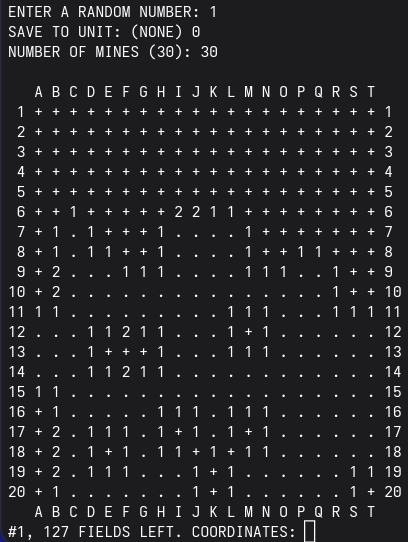
For programming in low-level, general-purpose languages, the BASIC interpreter parses Pascal, C for cross-compilation. Currently, the 80186 emulator, which traces the input-output operations that are running tcvm.ic in 32-bit mode include the part about either custom DOS copy or DOSBOX.
Compile the interpreter.c in 32-bit mode and then run “interpreter basic” to specify the C file compiler bootstrapping. Lets compile this in Clang. The syntax for compilation is the following in LLVM in the C family of programming languages:
This Tcode machine that is compiled either in clang or gcc, specifying a 32-bit mode compilation in:
clang interpreter.c -o interpreter
Initial error: Install Error: gnu/stubs-32.h’ file not found. ‘gnu/stubs-32.h’ file not found.
Solution: glibc-devel.i686 libgcc.i686 specifying 32-bit glib headers and 32-bit libgcc.
Following installation, the source file is compiled into the interpreter. For parsing text, try to run interpreter basic to start the interpreter.
./interpreter basic
Specify the interpreter and the source file: tcvm.bas source.bas
./interpreter tcvm.bas source.bas
The interpreter, compiled in -m32 bit mode is tcvm. The command looks like the following:
./tcvm basic rand.bas swep.bas
It will respond with something like:
NMH BASIC 1.2
3 = RAND.BAS
4 = SWEP.BAS
Enter the following commands:
LOAD #3
LOAD #4
Start by typing RUN
 Recollection Services Incorporated
Leave a comment